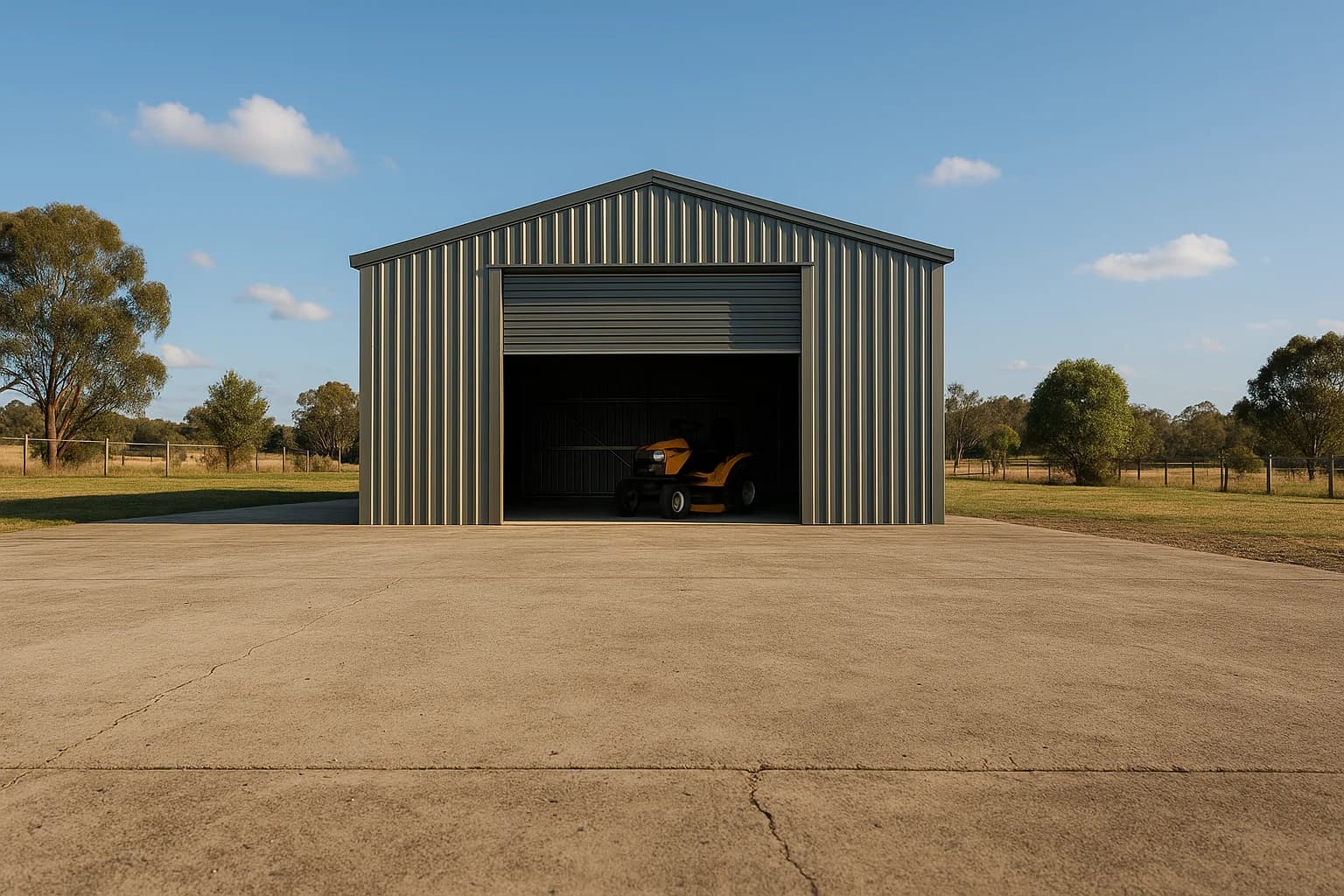
Equipment Storage
Equipment Storage in Canada
Hardstand and depot space for excavators, loaders, cranes and heavy plant across Australia.
Verified Members
Secure Payments
0% Commission for Hosts
Real Help
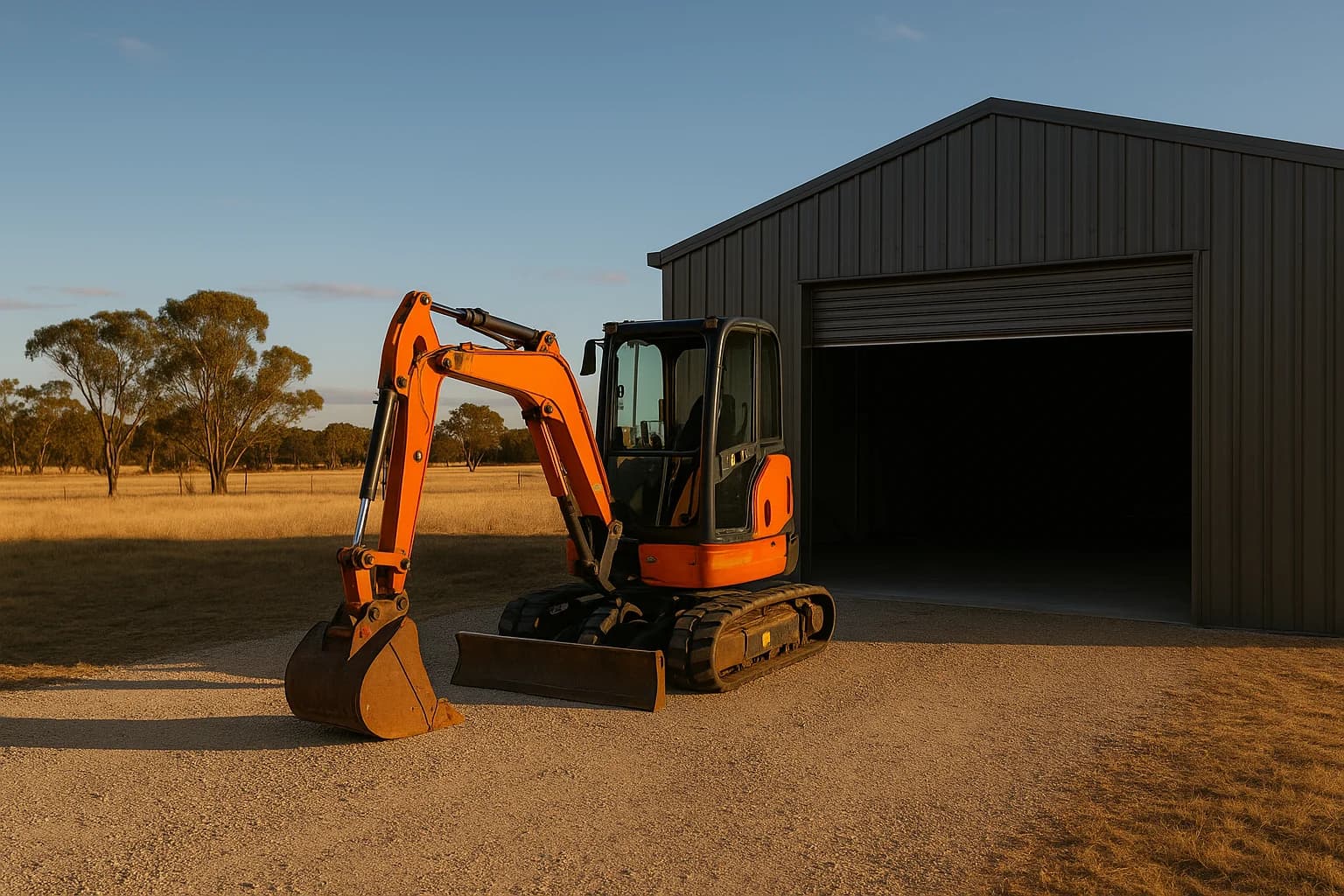
Built for Operators
Why Store Your Equipment With Us?
Heavy equipment is expensive to own, difficult to move and impossible to leave on a public road overnight. A standard excavator can be worth $200,000 or more, and construction sites do not always have secure overnight storage on site. We connect machinery operators with verified yard hosts who have the hardstand, compound space and access gates your gear needs between jobs.
Whether you are a sole operator with a single 3-tonne excavator or a civil contractor cycling a fleet of heavy plant through multiple projects, a dedicated storage yard costs a fraction of leasing your own depot. Browse yards close to your active job sites to minimise float costs and get your gear back on the clock faster.
Every yard host is identity-verified before their first listing goes live. Listings show the surface type, yard dimensions, gate width and overhead clearance so you can confirm fit before you mobilise a float truck. If you have equipment above 20 tonnes or require low-loader access, message the host directly to confirm.
- Verified secure compounds
- Near industrial precincts
- Heavy vehicle access
- No lock-in contracts
We’re launching in Canada soon.
Be the first to list your space or get notified when equipment storage listings go live in Canada.
Browse Equipment Storage by Region
Ontario
4 cities
Ontario is Canada's most populous province and home to the country's largest urban agglomeration. Toronto, Ottawa, and the surrounding cities generate enormous demand for off-site RV, boat, and vehicle storage, particularly during the long winter months when recreational vehicles sit unused for six months or more. Ontario's cottage country lakes and Georgian Bay also create a strong seasonal market for trailerboat and jet ski storage.
British Columbia
3 cities
British Columbia combines some of Canada's most expensive real estate with one of its most active outdoor lifestyles. Vancouver's densification has removed garages from the equation for most urban households. Yet the Pacific coast, the Gulf Islands, and Okanagan wine country drive high rates of boat, RV, and recreational vehicle ownership. The storage gap between what people own and what they can keep at home is significant, and growing.
Alberta
2 cities
Alberta's oil-driven economy has historically supported high levels of recreational vehicle ownership. Albertans are among Canada's most enthusiastic RV users, with the Rocky Mountains and tens of thousands of lakes within easy driving distance. Calgary and Edmonton are modern cities with suburban layouts, but even here, winter storage of RVs, boats, and trailers is a genuine logistical challenge that peer-to-peer solutions address well.
Quebec
2 cities
Quebec's distinct cultural identity extends to its outdoor lifestyle. Lac-des-Deux-Montagnes, the Laurentians, and the St. Lawrence waterway ensure that Quebecers maintain strong boat and watercraft ownership. Montreal's dense island geography and Quebec City's fortress-like heritage make residential storage an ongoing challenge. Winter storage of recreational vehicles, typically October through April, is a major seasonal driver.
Nova Scotia
1 city
Nova Scotia is a maritime province in every sense. Surrounded by the Atlantic on three sides, its population has one of the highest rates of boat and watercraft ownership in Canada. Halifax is a growing, confident city where residential space is at an increasing premium. The province's fishing heritage and weekend boating culture combine to make marine storage one of the most consistent demand categories.
Manitoba
1 city
Manitoba's flat landscape and freshwater lake network, including Lake Winnipeg (one of the world's largest), make it a natural home for fishing boat and watercraft owners. Winnipeg is a mid-sized prairie city where RV and boat storage is a seasonal necessity. The short summer season intensifies storage demand at both ends. Spring preparation and autumn lay-up create predictable peaks.
Saskatchewan
2 cities
Saskatchewan's big-sky landscape hosts thousands of fishing lakes and a strong culture of self-reliance. RV travel across the prairies and into the Rockies is popular, and seasonal vehicle storage is a consistent need. Saskatoon and Regina are modern, spread-out cities where landowners often have surplus yard or garage space that could serve neighbouring households.
New Brunswick
2 cities
New Brunswick has a strong Atlantic and river-based boating culture, with the Bay of Fundy's dramatic tides a constant backdrop. Fredericton and Moncton are practical, affordable cities where peer-to-peer storage fits naturally into a community-minded culture. Winter storage is a serious seasonal need, and rural properties across the province have the space to help.
Storage for Heavy Machinery
From a mini excavator to a 50-tonne crane, we have yards built for heavy gear.
Every Machine Type
Excavators, loaders, graders, rollers, cranes. Find yards with the surface, space and weight capacity your gear demands.
Secure Compounds
Fenced, gated and under CCTV. Heavy equipment is a theft target, so security comes first.
Heavy Vehicle Access
Yards with wide gates, solid hardstand and access for low-loaders and float trucks.
No Depot Overhead
Skip the cost of leasing a full depot. Pay only for the space you need, when you need it.
Near Job Sites
Search for yards close to your current projects and industrial precincts to minimise transport costs.
Between-Jobs Flexibility
Store for a week between contracts or months at a time. No lock-in, no long-term commitments.
Tips for Storing Heavy Equipment
- 1
Choose sealed or compacted hardstand
Heavy plant needs load-bearing ground. Concrete or well-compacted gravel prevents sinking after rain and makes it easier to load out for the next job. Ask the host whether the yard has been load-tested, particularly if you are storing equipment above 20 tonnes.
- 2
Lower and secure all moving parts
Lower buckets and blades to the ground, retract booms and attach travel locks. Engage the slew lock on excavators and set hydraulic controls to neutral. Equipment that shifts unexpectedly in storage creates a safety liability and a dispute you do not want.
- 3
Top up or drain fluids depending on storage length
For short-term storage, top up engine oil, hydraulic fluid and coolant. For several months of storage, consider draining the fuel tank to prevent moisture contamination and use fogging oil in the engine. Australian summer heat accelerates fluid degradation in idle equipment faster than most people expect.
- 4
Disconnect or trickle-charge the battery
Disconnect the negative terminal or remove the battery for long-term storage. If the equipment may need to move at short notice, use a smart trickle charger. Modern plant electronics can draw parasitic current even when switched off, draining a battery in a matter of weeks.
Launching Soon
Be first to list your space in Canada