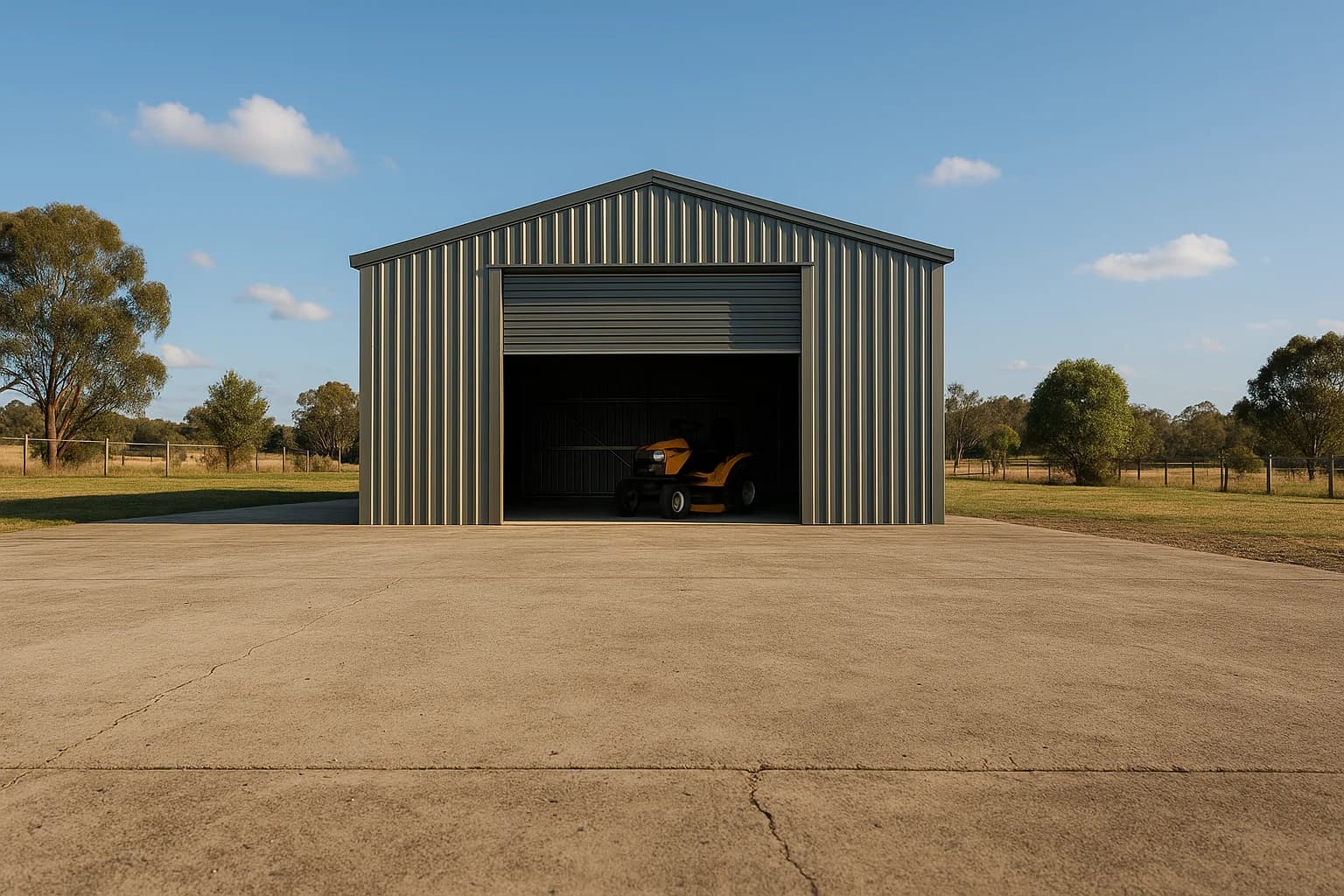
Equipment Storage
Equipment Storage in South Africa
Hardstand and depot space for excavators, loaders, cranes and heavy plant across Australia.
Verified Members
Secure Payments
0% Commission for Hosts
Real Help
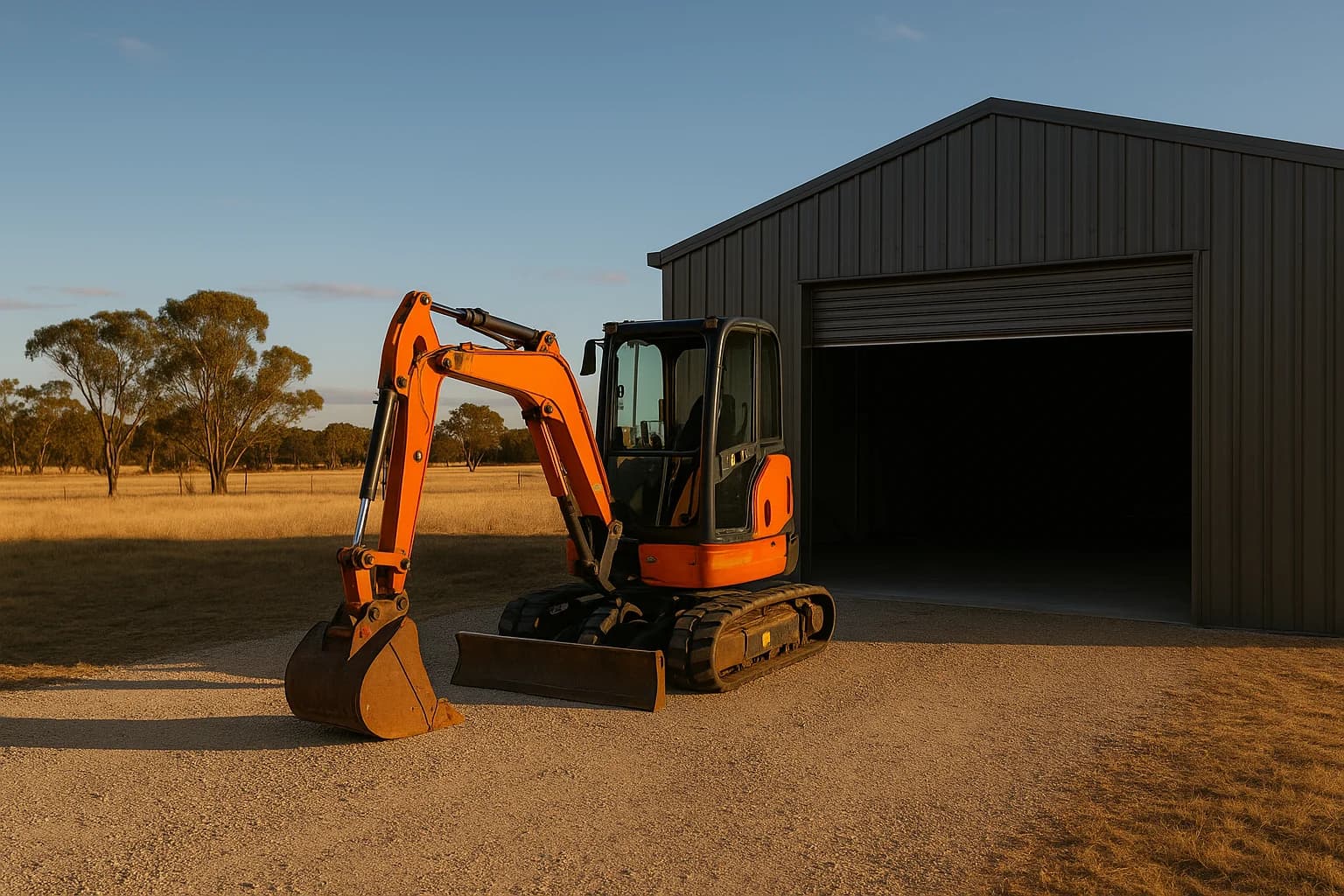
Built for Operators
Why Store Your Equipment With Us?
Heavy equipment is expensive to own, difficult to move and impossible to leave on a public road overnight. A standard excavator can be worth $200,000 or more, and construction sites do not always have secure overnight storage on site. We connect machinery operators with verified yard hosts who have the hardstand, compound space and access gates your gear needs between jobs.
Whether you are a sole operator with a single 3-tonne excavator or a civil contractor cycling a fleet of heavy plant through multiple projects, a dedicated storage yard costs a fraction of leasing your own depot. Browse yards close to your active job sites to minimise float costs and get your gear back on the clock faster.
Every yard host is identity-verified before their first listing goes live. Listings show the surface type, yard dimensions, gate width and overhead clearance so you can confirm fit before you mobilise a float truck. If you have equipment above 20 tonnes or require low-loader access, message the host directly to confirm.
- Verified secure compounds
- Near industrial precincts
- Heavy vehicle access
- No lock-in contracts
We’re launching in South Africa soon.
Be the first to list your space or get notified when equipment storage listings go live in South Africa.
Browse Equipment Storage by Region
Western Cape
2 cities
The Western Cape is South Africa's most visited province. Table Mountain, the Winelands, and the Garden Route draw millions of domestic and international tourists each year. Cape Town's population density and rapid property development have created real pressure on residential storage space. The province's boating culture is strong, from the yacht clubs of Hout Bay and Simon's Town to the waterways of Knysna. Caravan owners heading north along the N2 also represent a consistent off-season storage market.
Gauteng
3 cities
Gauteng is South Africa's economic engine, a densely populated inland plateau that houses Johannesburg, Pretoria, and the connecting urban sprawl. It's a province with high vehicle ownership per capita, significant small business activity, and a growing need for practical, secure off-site storage. Caravanning to the Bushveld and the coast is deeply embedded in South African culture, and Gauteng is where most of those caravans need to live for 11 months of the year.
KwaZulu-Natal
2 cities
KwaZulu-Natal stretches along the Indian Ocean from the Drakensberg foothills to the Mozambique border. Durban is a major port city with a warm climate that supports year-round boating and water sports. The province's residential suburbs are spacious by some standards, but Durban's popular North and South Coasts see strong demand for beach-vehicle and boat storage during peak periods and off-season lay-up.
Eastern Cape
1 city
The Eastern Cape is South Africa's surf coast. Jeffrey's Bay, Nahoon Beach, and the Wild Coast attract water sports enthusiasts from across the country. Port Elizabeth (Gqeberha) is a mid-sized city where practical peer-to-peer storage fits naturally into a community-minded, outdoors-oriented culture. Commercial storage options here are limited relative to demand.
Free State
1 city
The Free State sits at the heart of South Africa, a plateau province of farmland, diamond fields, and the Orange River. Bloemfontein is the judicial capital and the province's largest city. Storage demand here is practical: caravans for weekend trips, work trailers, and agricultural equipment. Rural landowners with farm sheds are a natural match for urban households without enough space.
Mpumalanga
1 city
Mpumalanga is the gateway to the Kruger National Park and one of South Africa's most-visited provinces. The Lowveld's dramatic escarpment and nature reserves draw safari campers, overland travellers, and outdoor enthusiasts year-round. Nelspruit (Mbombela) is a fast-growing commercial city where residential land is becoming increasingly valuable. Peer-to-peer vehicle and equipment storage here fills a real gap.
Storage for Heavy Machinery
From a mini excavator to a 50-tonne crane, we have yards built for heavy gear.
Every Machine Type
Excavators, loaders, graders, rollers, cranes. Find yards with the surface, space and weight capacity your gear demands.
Secure Compounds
Fenced, gated and under CCTV. Heavy equipment is a theft target, so security comes first.
Heavy Vehicle Access
Yards with wide gates, solid hardstand and access for low-loaders and float trucks.
No Depot Overhead
Skip the cost of leasing a full depot. Pay only for the space you need, when you need it.
Near Job Sites
Search for yards close to your current projects and industrial precincts to minimise transport costs.
Between-Jobs Flexibility
Store for a week between contracts or months at a time. No lock-in, no long-term commitments.
Tips for Storing Heavy Equipment
- 1
Choose sealed or compacted hardstand
Heavy plant needs load-bearing ground. Concrete or well-compacted gravel prevents sinking after rain and makes it easier to load out for the next job. Ask the host whether the yard has been load-tested, particularly if you are storing equipment above 20 tonnes.
- 2
Lower and secure all moving parts
Lower buckets and blades to the ground, retract booms and attach travel locks. Engage the slew lock on excavators and set hydraulic controls to neutral. Equipment that shifts unexpectedly in storage creates a safety liability and a dispute you do not want.
- 3
Top up or drain fluids depending on storage length
For short-term storage, top up engine oil, hydraulic fluid and coolant. For several months of storage, consider draining the fuel tank to prevent moisture contamination and use fogging oil in the engine. Australian summer heat accelerates fluid degradation in idle equipment faster than most people expect.
- 4
Disconnect or trickle-charge the battery
Disconnect the negative terminal or remove the battery for long-term storage. If the equipment may need to move at short notice, use a smart trickle charger. Modern plant electronics can draw parasitic current even when switched off, draining a battery in a matter of weeks.
Launching Soon
Be first to list your space in South Africa